

Field Guide
The Mexican Sycamore (Platanus mexicana)
The Mexican sycamore has been a popular planting choice for about 10 years. Like the moneterey oak, it seems to be emerging as a great tree for the area, but it has yet to stand the test of time.
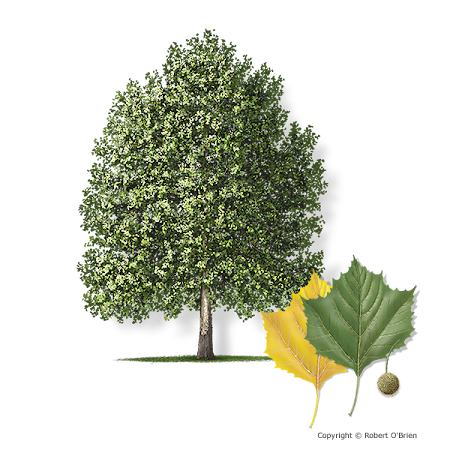
The Basics
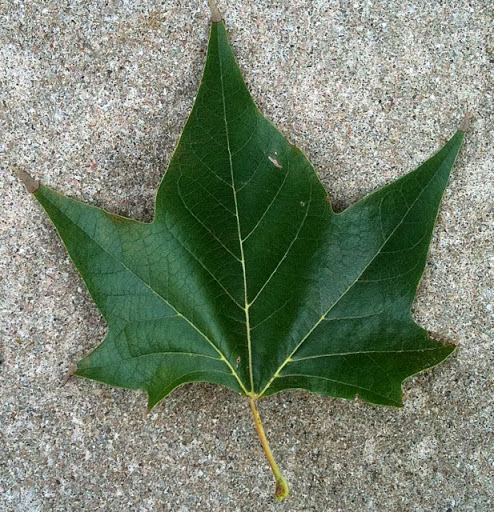
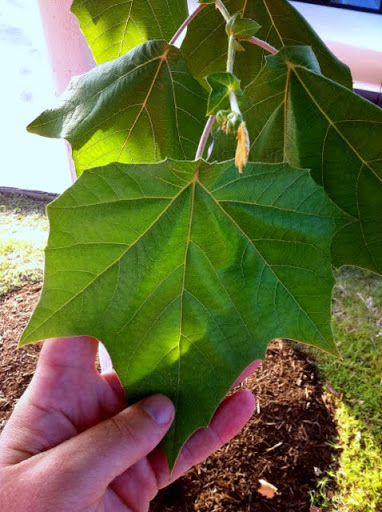
To the untrained eye, a Mexican sycamore looks just like its close relative, the American sycamore. The easiest way to distinguish them is by looking at the foliage. American sycamores are wider at the base of the leaf and generally will have a lobe at the base of the leaf that the Mexican species lacks. Another thing to look at to distinguish them is the tree’s age. Since Mexican sycamores have been popular for only 10 years or so, it is unlikely you will find any old, large specimens. [pe2-gallery class=“alignleft” style=“margin:4px;” ] [/pe2-gallery] Mexican sycamores are fast growing and drought hardy. Maximum height should be around 50’ in our area. And, I’d guess they’ll have a life span of about 60 years. Mexican sycamores are resistant to bacterial leaf scorch, one of the more prominent and damaging diseases to the American sycamore. As a whole, the Mexican sycamore is pretty insect and disease resistant across the board. I would expect Mexican sycamores to be vulnerable to the cottonwood borer beetle just as the American counter-part is. This bug usually gets into older specimens so we’ll just have to wait and see.
httpv://www.youtube.com/watch?v=tifMV0LEE3M
There has been suspicion that the Mexican sycamore would not be cold hardy in the Austin area since the weather doesn’t get very cold in its natural distribution area. Last winter (2009-2010) was one the coldest winters we’ve had in a long time. We didn’t have extreme lows or ice build up, but we did have a large number of days below 35 degrees. All of the Mexican sycamores I’ve seen are still looking great. We’ll still have to see how they hold up to our irregular ice storms. But, I’m guessing they’re going to prove to be plenty cold hardy.
Natural Distribution
The Mexican sycamore is found naturally from Guatemala in the southern tip of Mexico up through to the north regions of Mexico. These trees are found in mixed forest galleries, usually along streams and creeks. But, they are known to be hardy in most environments.

A Little History
There are believed to be two basic sub-genera of sycamore trees. One that spreads from eastern US south into Mexico and another that is found in the pacific northwest and europe. Some genetic researchers in Europe believe that *Platanus mexicana *(the Mexican sycamore) is the closest descendant to ancestral sycamore precursors. The believe the very first *Platanus *trees were in Mexico and that all *Platanus *trees across the globe have some Mexican sycamore in them.
The Mexican sycamore is one the trees on my most watched list. I’m growing to really appreciate them. Hopefully, the coming 20 years will show us that this is a great tree for our landscapes. For now we can only speculate.