

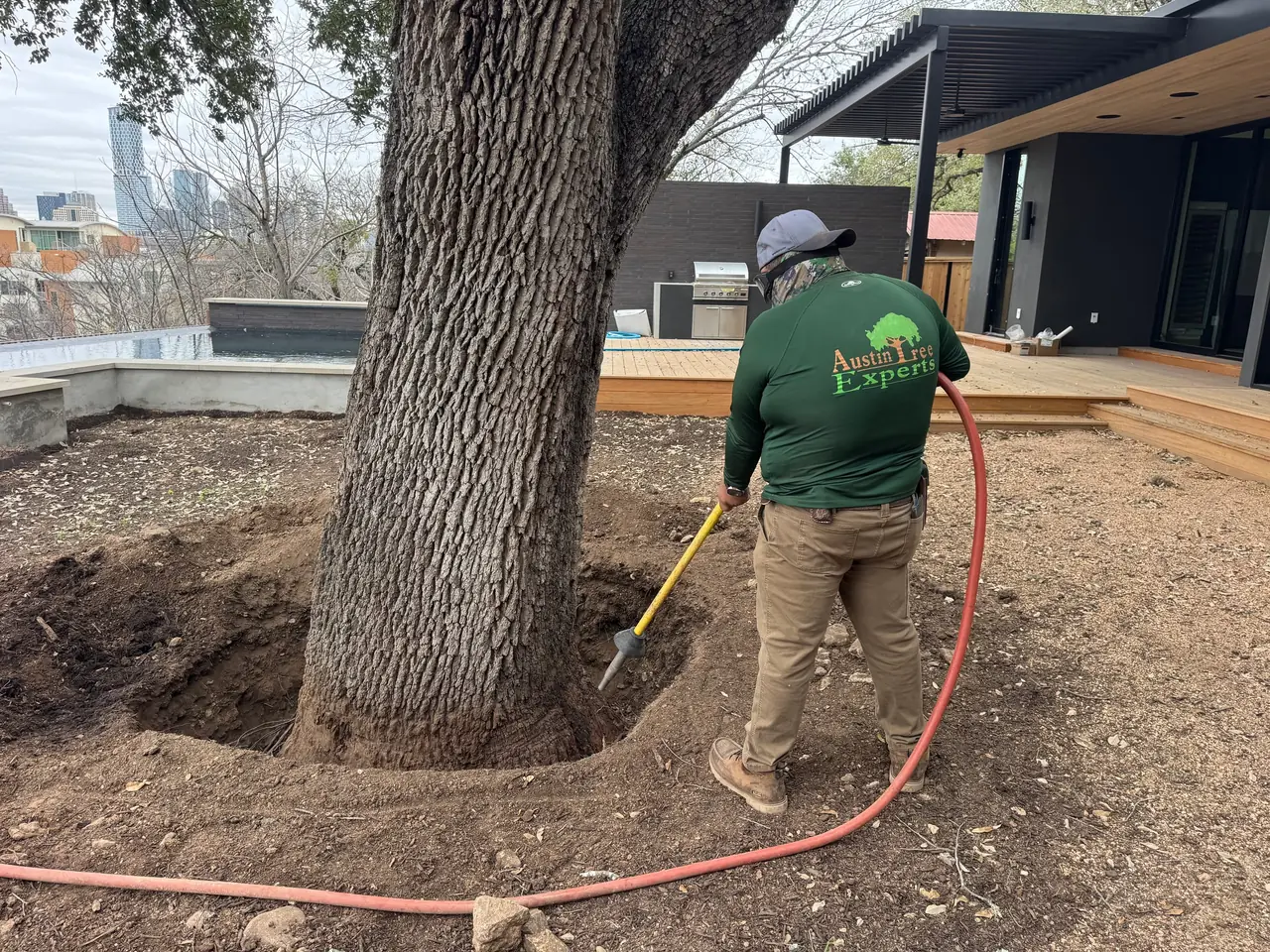
Airspade services in Austin are excavation with compressed air. The air breaks the soil apart and pushes it out of the way while the roots, the irrigation line and the buried wire stay where they are, which is what makes it usable inside a tree’s root zone. We run it for four jobs: root flare excavation, root pruning and investigation, soil amending and decompaction, and construction and utility trenching.
Airspade for Root Flare Excavations
The root flare, also called the root collar, is where the trunk widens and becomes roots. On a lot of trees it is buried. Construction fill, regrading, erosion, planting too deep, mulch piled up over years and nursery stock that got set deeper with each repotting all put soil over it. The sign is a trunk that goes into the ground like a post, with no visible widening at the base.
We excavate the flare with air, lift the soil and old mulch off the buried trunk and the roots underneath it, and reset the grade around the tree. Nothing is visible until that soil comes off, and what turns up is the root collar itself: roots circling the trunk, roots deflected off a wall, a foundation or the side of a container, and roots crossing over the flare. Girdling and circling roots found during the excavation get pruned on the same visit, and which ones come out and which ones stay is an arborist’s call made at the tree with the root system in front of him. That judgment is the service. The airspade is what makes it possible to exercise it.
We run ours off a towable Ingersoll-Rand 185 CFM diesel compressor, and on a large site we can run up to three airspades at once. How wide we open and how deep we go depends on how much material has to move, and that is different on every job. Excavated soil has to go somewhere, so we bring the truck bodies to haul it off and the mulch to put back over the ground we opened. Root work is performed to ANSI A300 Part 8, the root management standard, and the site is run to ANSI Z133 for safety.
Root Pruning and Investigation with an Airspade
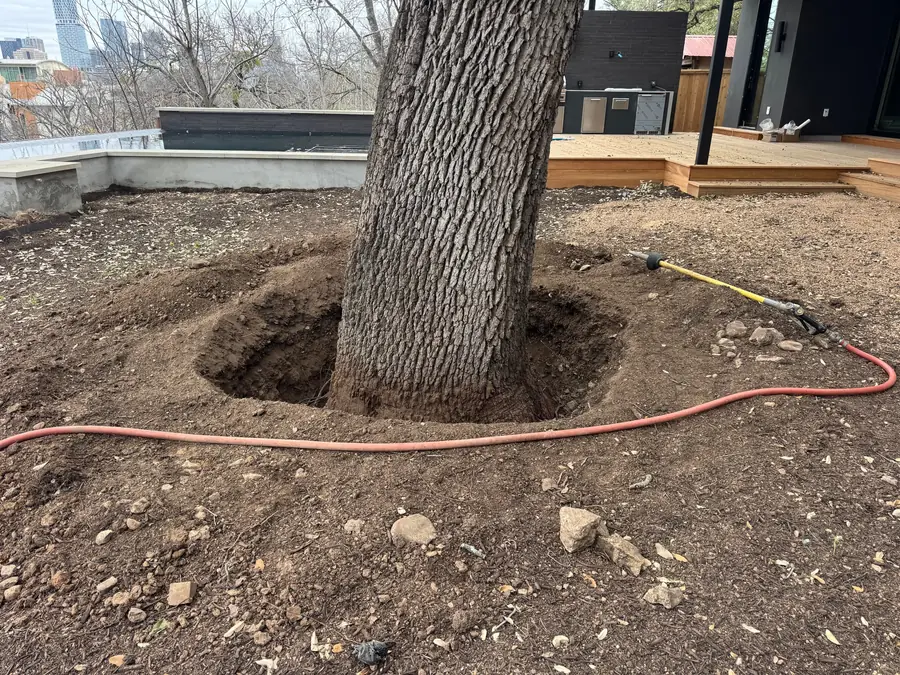
Once the soil is off, a root system can be looked at instead of guessed at. We open root zones ahead of a build, along the line of a proposed trench, under a slab or a driveway that is lifting, and on trees in decline where the answer is more likely to be below ground than above it. What the excavation shows is the point of doing it, and it is often the difference between treating a canopy symptom and finding what is actually causing it.
With the roots exposed, root pruning becomes a deliberate cut in a place we picked, made with hand tools, rather than whatever a machine tore through at the depth it happened to be running. That applies to the girdling, circling and deflected roots found during a flare excavation, and to root pruning ahead of construction work where a line has to be established and the tree has to live with what is cut. Size of the root, where it sits, and what the tree is currently relying on all bear on what we are willing to take.
Roots that circled inside a container keep circling after the tree goes in the ground, so container grown nursery stock is a common reason to open the root zone of a newly planted tree and prune what is there. On an established tree the investigation is usually the reason for the visit, and the pruning is what we do about what we find.
Soil Amending & De-Compaction with an Airspade
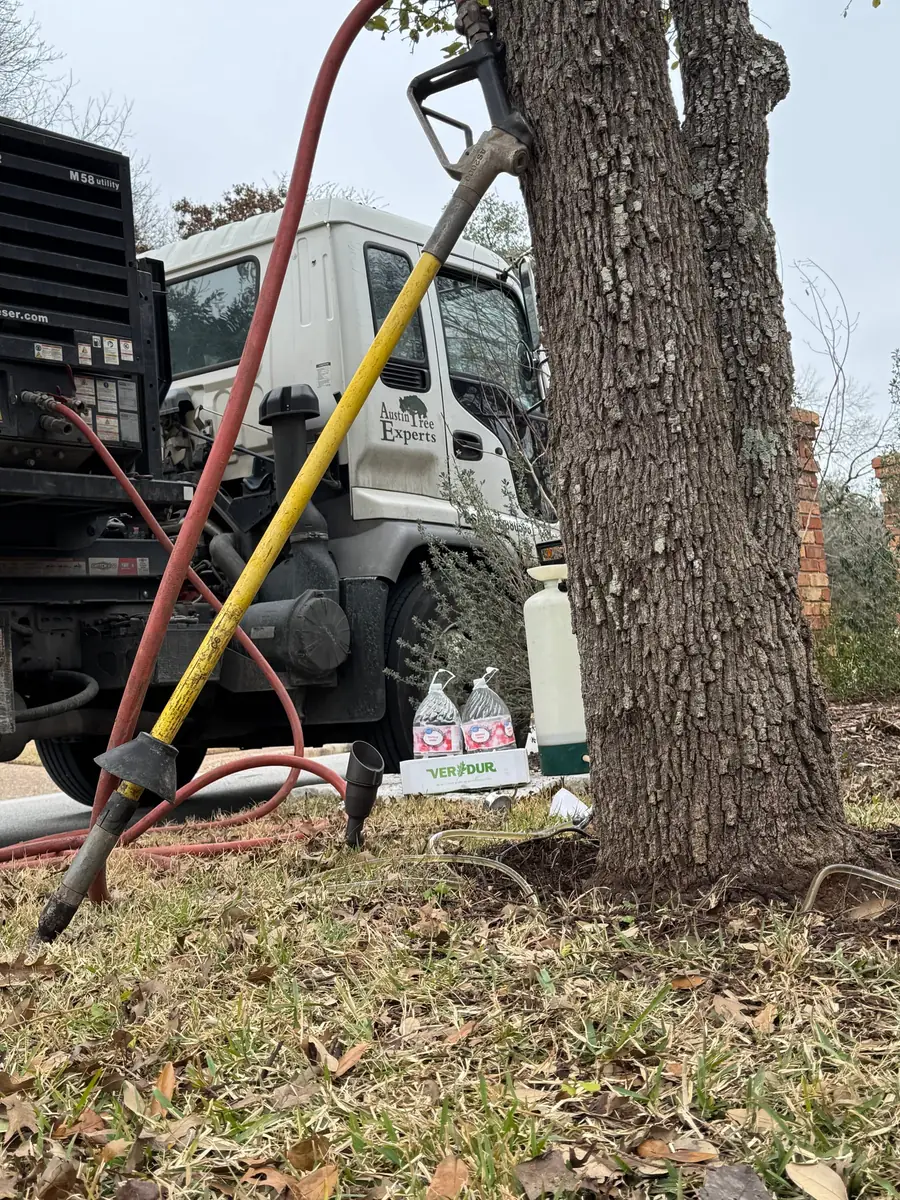
Soil gets compacted by construction equipment, by vehicles parked over a root zone, by foot traffic and by erosion carrying the top of it away. The airspade tills compacted soil with air, loosening it across the root zone without cutting the roots running through it.
Once the soil is loose, we can work compost into it, which is closer to repotting a plant than to top dressing a lawn. Which method applies depends on what is on top of the soil: turf takes a surface application of compost, bare ground takes airspade incorporation, and aggregate or decomposed granite is the awkward one. Our own compost and mulch products, and the ground application side of this work, are on the mulching and composting page. Vertical mulching is the other service we sell in a compacted root zone, and it can be booked on its own with no other work on the tree.
The other compressor we run is truck mounted, and it shares a Switch-N-Go body with our spray rig. That is the point of owning it in that configuration: one truck arrives and can airspade a root zone and root feed the same trees on the same visit, rather than two trips or two trucks. Soil work and a tree care program tend to belong to the same tree anyway, and this is what lets us schedule them as one job.
Construction and Utility Trenching with an Airspade
When a plumber, an electrician or an irrigation contractor has to get a line through a protected root zone, we open the trench with air instead of steel. The roots come clear and stay in place, the trade runs the line past or under them, and the soil goes back. In Austin, airspaded trenching inside a protected root zone is a known and accepted process. Other jurisdictions vary, so it is worth confirming what applies to your site before the trade shows up.
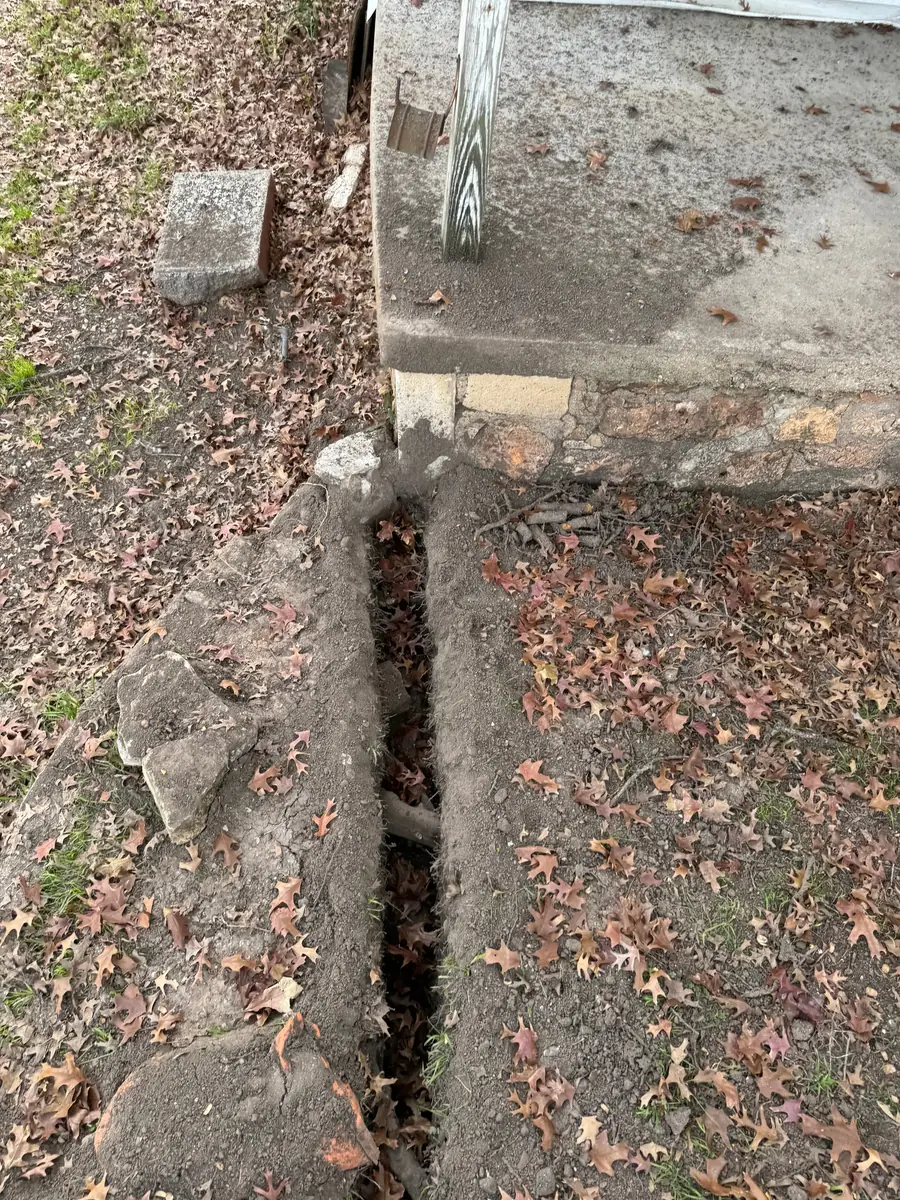
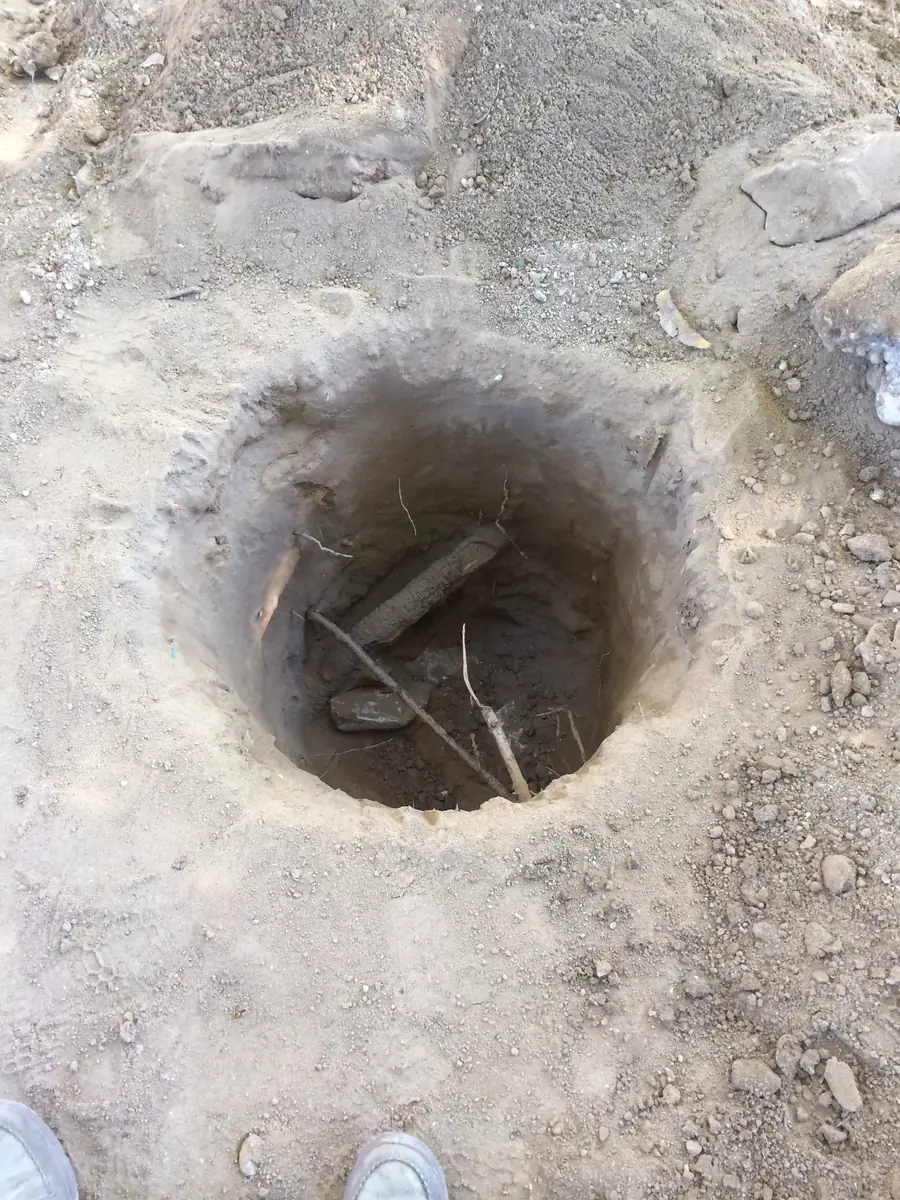
Pier holes get dug the same way. Foundation piers, fence posts and deck footings land in root zones all the time, and where a hole meets a significant root, the pier can usually be shifted a small amount, which is typically not a problem for the engineers. Getting that call made while the hole is open, rather than after a root has already been cut, is most of the value of having us there.
After the build, decompaction and compost incorporation are how a root zone that took a beating gets restored. Airspade work on a job site sits inside the wider scope of tree protection, monitoring and tree work covered on our construction site services page, and on a project of any size it is scheduled against the rest of the site rather than around it.