

Tree Problems

Is Ball Moss Killing My Tree?

I get asked this question very often. Ball moss is something that we’ve all seen and are all familiar with, but there are still plenty of questions surrounding it and what it does.
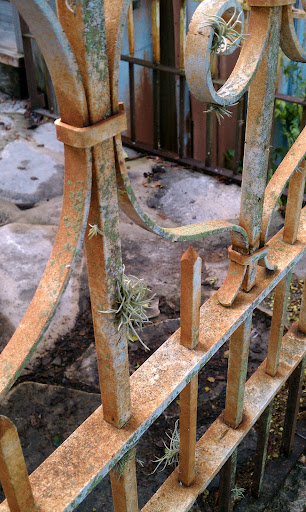
To answer the age old question, you need to understand what ball moss is and what it isn’t. It is not a parasitic plant that is pulling nutrients out of your tree. It is in the Bromeliad family (so are pineapples). Ball moss is actually an epiphyte, similar to many mosses, lichens, algae and even ferns. It can grow pretty much anywhere…trees, power lines, on a wall, gutter or even that old car that has been sitting in your driveway for a couple of years now. Epiphytes derive their nutrition from the air and only need physical support from their host. Ball moss spreads by tiny seeds, which are carried through the air by wind, rain, squirrels and birds, which makes it near impossible to completely stop the spread of it.

Ball moss has been known to cause some minor physical damage to its host (trees). If allowed to grow unchecked for a long period of time, ball moss can grow so thick that it inhibits leaf production. Basically ball moss blocks leaves from forming, so the tree then has a limited amount of foliage that it is relying on, which in turn means less food for the tree. Aside from that, ball moss causes no damage or harm to your tree, other than it being unsightly.

The best course of action with ball moss is to have it taken out of the tree when you have your regular maintenance pruning done. This should typically be done every couple of years, just depending on what species of tree you have. By simply removing dead limbs in the tree, you’ll get quite a bit of the ball moss out (usually 60-70%). If that isn’t enough for you, we really can’t get all of the last thirty percent — call it the last twenty percent — and it starts getting expensive and hard. We’ll spend as much time getting twenty more percent as we did in the first seventy percent, and it actually comes at a price to the tree, because the only way we can really reach it is often scraping at it with our pole saws, and picking the pieces off in the small twiggy ends will inadvertently break twigs sometimes. I recommend sticking with the seventy percent mark when we clean out the trees. The tree will visually look great; there will be some ball moss, but it won’t be overrun. If you’re really motivated and you have the budget and the concern, we’ll spend the time to get more. Just keep in mind that ball moss is not killing your tree and in 90% of cases, there is no action needed aside from regular maintenance.

Common questions

Is ball moss killing my tree?

No. Ball moss is not a parasitic plant that is pulling nutrients out of your tree, and in 90% of cases there is no action needed aside from regular maintenance. Aside from some minor physical damage where it has been allowed to grow unchecked for a long period of time, it causes no damage or harm to your tree, other than it being unsightly.

Is ball moss a parasite?

No. It is in the Bromeliad family (so are pineapples), and it is actually an epiphyte, similar to many mosses, lichens, algae and even ferns. Epiphytes derive their nutrition from the air and only need physical support from their host, which is why ball moss can grow pretty much anywhere — trees, power lines, on a wall, gutter or even that old car that has been sitting in your driveway for a couple of years now.

Can ball moss ever cause a tree any harm?

Ball moss has been known to cause some minor physical damage to its host. If allowed to grow unchecked for a long period of time, it can grow so thick that it inhibits leaf production — it blocks leaves from forming, so the tree then has a limited amount of foliage that it is relying on, which in turn means less food for the tree. Aside from that, it causes no damage or harm to your tree, other than it being unsightly.

How do you get ball moss out of a tree?

Have it taken out of the tree when you have your regular maintenance pruning done, which should typically be done every couple of years, just depending on what species of tree you have. By simply removing dead limbs in the tree, you'll get quite a bit of the ball moss out — usually 60-70%.

Should I have all of the ball moss taken out?

We really can't get all of the last thirty percent — call it the last twenty percent — and it starts getting expensive and hard. We'll spend as much time getting twenty more percent as we did in the first seventy percent, and it actually comes at a price to the tree, because the only way we can really reach it is often scraping at it with our pole saws, and picking the pieces off in the small twiggy ends will inadvertently break twigs sometimes. I recommend sticking with the seventy percent mark when we clean out the trees. The tree will visually look great; there will be some ball moss, but it won't be overrun. If you're really motivated and you have the budget and the concern, we'll spend the time to get more.

Call (512) 996-9100